
Understanding Korouoma ice climbing
Korouoma ice climbing takes the winter landscape beyond viewing frozen waterfalls from a walking trail. The cliffs carry changing ice formations, and their appearance alone is not a measure of whether they are suitable for climbing. Approach the activity through relevant instruction, specialist equipment and an assessment of conditions. A desire to see the ice close up is a reason to plan carefully, rather than a substitute for the skills required to move on it.
The icefalls vary between years. Tuulen tie is not suitable for climbing every winter, Onnekas forms only rarely, and Mammutti changes in width and offers different climbing lines. These examples show why your own programme needs to follow the conditions, rather than a photograph or a previous visitor’s experience. Plan around an activity that can respond to conditions, rather than a promise to climb a named formation on a particular date.
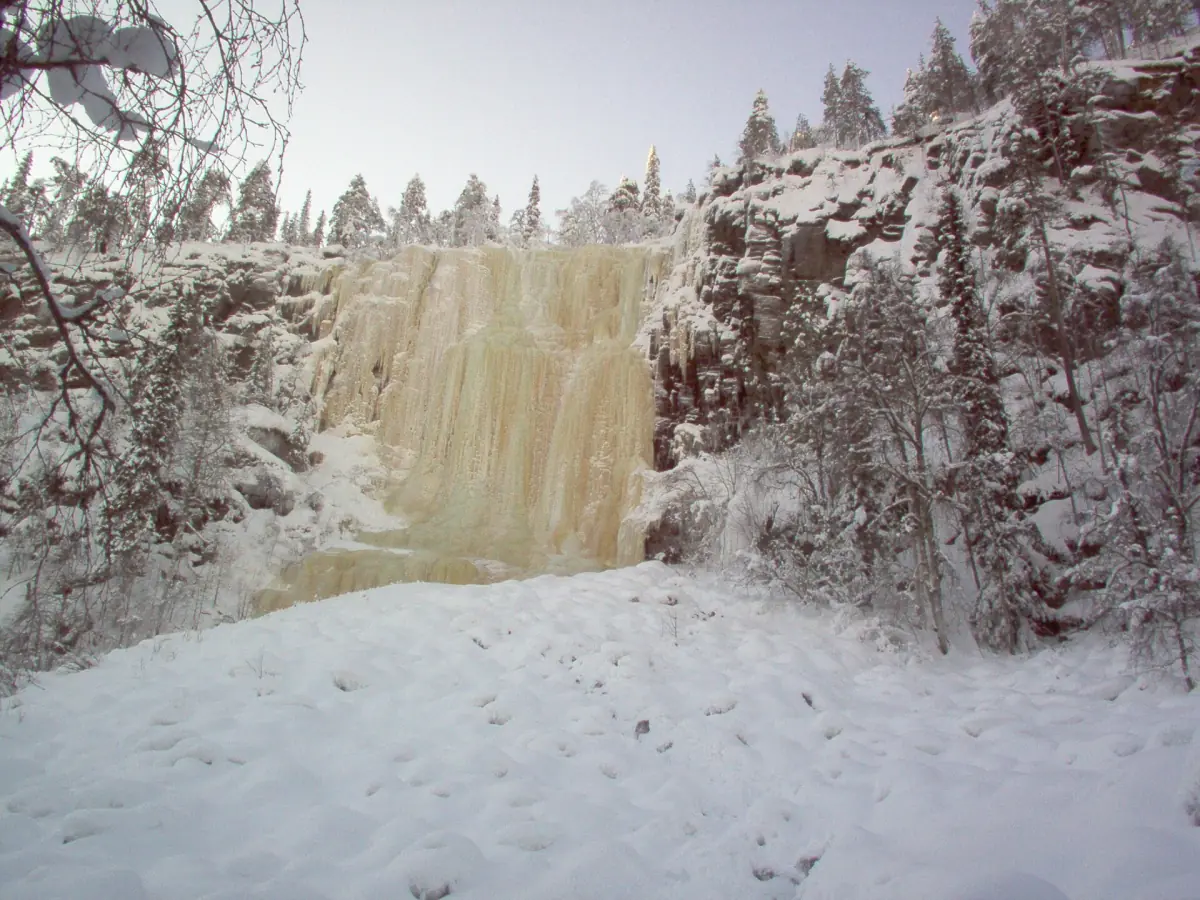
Guided ice climbing and guide qualifications
For commercial climbing outings, Metsähallitus advises paying attention to the guide’s training. Its general climbing guidance stresses appropriate skills, equipment and instruction. The climbing experience featured here is described with a certified UIAGM/IFMGA guide. That qualification is relevant when choosing technical instruction, but it does not make the ice unchanging or remove the need for a judgement about the conditions on the day.
The listed outing lasts 7 hours overall and includes transportation to the site. Treat that as the total activity duration, rather than a promise of seven hours on the ice. The exact pickup location is selected through the booking details. Before committing, check the activity’s participation requirements against your experience and ability, together with the pickup arrangement. Use the conditions for this particular outing rather than applying age limits or group sizes from a different climbing trip.
Ice climbing outing
This guided climbing experience includes transport and specialist equipment.
Hand-picked tours, booked through GetYourGuide. Prices are indicative starting prices in euros (as of October 2026). Tap a tour for live availability and the current price in your currency.
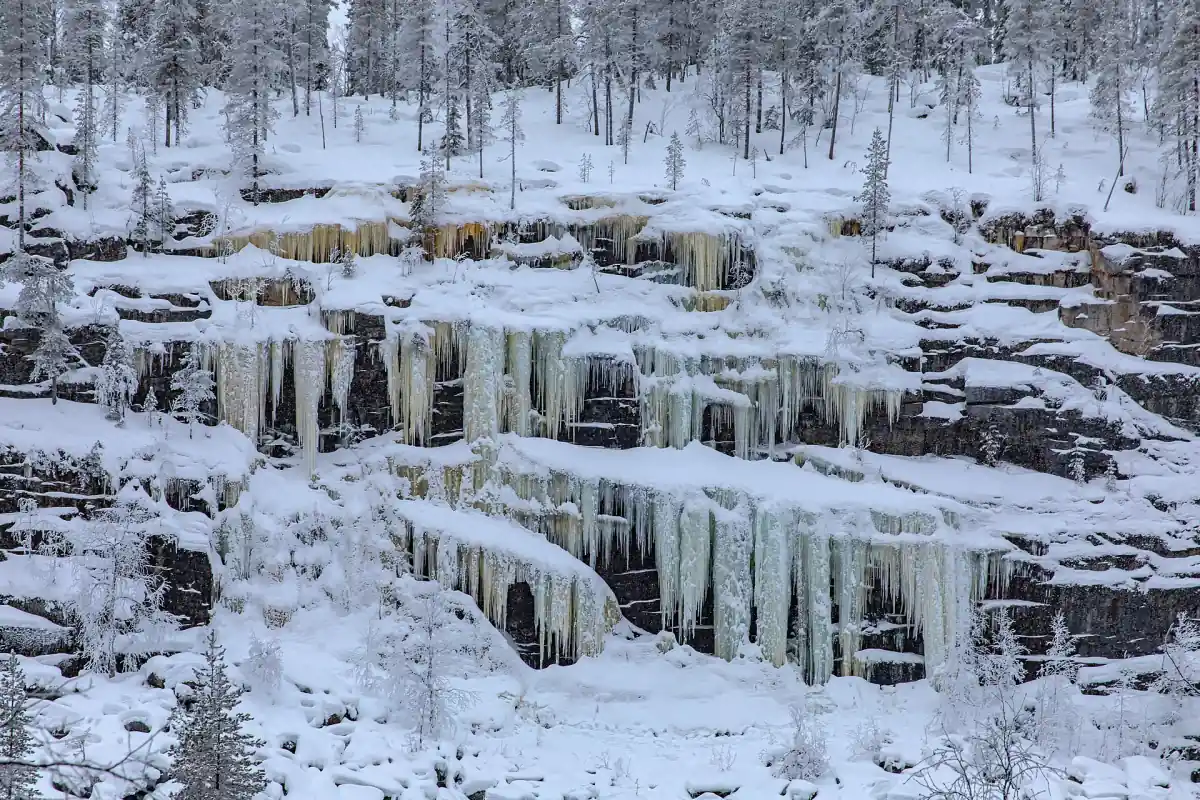
Guided climbing with specialist equipment
An outing with transport, climbing equipment and hot drinks; bring your own warm clothing and food.
Specialist equipment and personal preparation
The outing includes a harness, crampons, an ice axe, helmet, ice climbing boots, a backpack, shared rock climbing gear, a first aid kit and hot drinks. This is a technical equipment package. Ordinary walking spikes are a different item and should not be treated as an alternative to specialist climbing equipment. Equipment availability also does not replace instruction in its use; follow the guide’s direction rather than attempting to learn climbing techniques from a travel page.
Warm clothing, lunches and snacks are excluded from this outing. Bring your own winter clothing, hat and gloves and arrange food for the day. Included climbing boots should not be read as a complete supply of personal cold-weather clothing. Think through the whole day, including travel and pauses, when preparing. The useful comparison is between what the technical package supplies and what you personally need, rather than between the photographs used to illustrate different trips.
Ice hazards and changes to the programme
Metsähallitus’s report of 2 April 2026 identifies weak river ice and being underneath icefalls as hazards in Korouoma. Avoid making an independent approach beneath the ice or using river ice as an informal access route. The same dramatic formations that attract visitors demand restraint. Follow current local notices and the guide’s decisions about where the activity can take place; a photograph taken elsewhere in the canyon is not a suitable route instruction.
Dangerous weather can lead to a climbing activity being postponed or cancelled. Leave flexibility in your plans rather than tying the rest of the journey to a guaranteed climb. Booking availability is not a site-wide statement about ice strength or access to every wall. Mobile reception and rescue response should not be assumed. Local restrictions and the actual conditions matter alongside equipment and training, so the final programme needs to remain responsive to the day.
Choosing climbing or a walking visit
If your main goal is to observe the formations and walk through the winter canyon, start with the frozen-waterfalls guide. A winter walk and a technical climbing experience meet different interests. The former centres on the landscape; the latter adds specialist equipment and instruction for movement on ice. Choose on that basis, rather than assuming that every visit to an icefall is a climbing excursion.
The tour comparison covers other ways of visiting, while the season guide explains the choice between winter formations and snow-free landscapes. The suitability of each icefall depends on conditions rather than a fixed natural calendar. If you prefer forest, rocks and the river without planning a winter activity, the hiking guide describes summer and autumn alternatives. Settle that activity choice before arranging the rest of the day.
Frequently asked questions
Does the climbing package include warm clothing?
Warm clothing, lunch and snacks are excluded. Specialist climbing equipment and hot drinks are included.
Can the climb be guaranteed for a particular date?
Ice and weather determine what is suitable. Keep room for a changed programme, postponement or cancellation in dangerous conditions.
Is a frozen-waterfall hike the same activity?
A winter hike focuses on visiting the landscape. Climbing requires specialist equipment and suitable instruction for the activity on the ice.